Senior Architect, Interaction Design · GE HealthCare

Portfolio / 2026

Designer of

Human+AI systems.

Designing mutual understanding between humans and intelligent systems.

Explore selected work
15+years shaping
complex systems
46person design
practice built
09live systems in
the AI laboratory

How do humans and AI collaborate effectively—while preserving trust, understanding, control, and agency?

I've worked for 15 years on enterprise systems where the cost of getting it wrong is measured in patient outcomes, financial decisions, and clinical trust. That context shapes how I think about AI.

I use product creation as a research method. Instead of writing theories about AI interaction, I build systems and observe what happens. The laboratory is the work itself.

Two sides of the same problem: AI that is legible to humans, and software that is legible to AI agents. The gap between them is where the interesting design questions live.

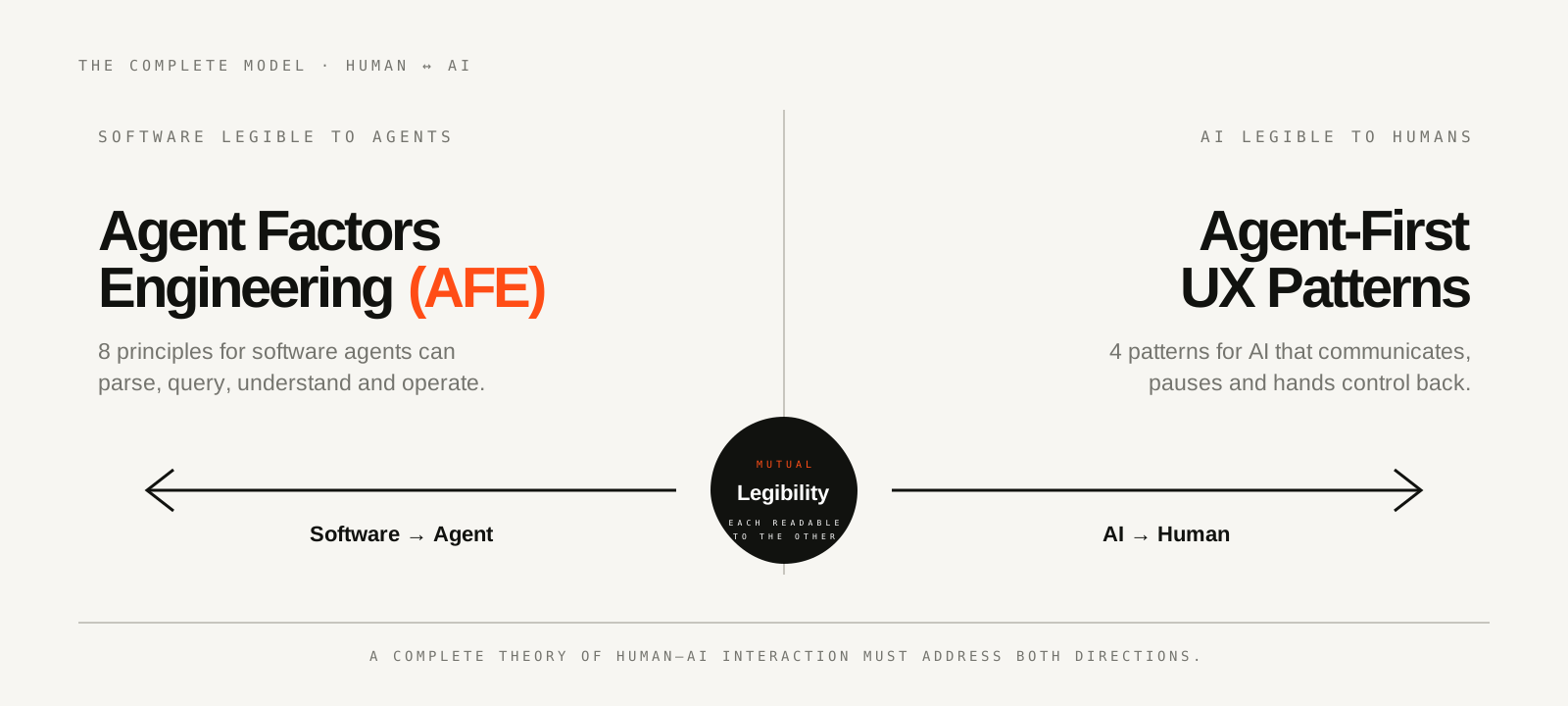
Mutual Legibility: Agent Factors Engineering and Agent-First UX Patterns
The complete model · AI legible to humans, software legible to agents
From Human Factorsto Agent Factors

Designed for
consequence.

Enterprise systems where decisions have consequences. 15+ years across healthcare, fintech, and complex platforms.

View all case studies
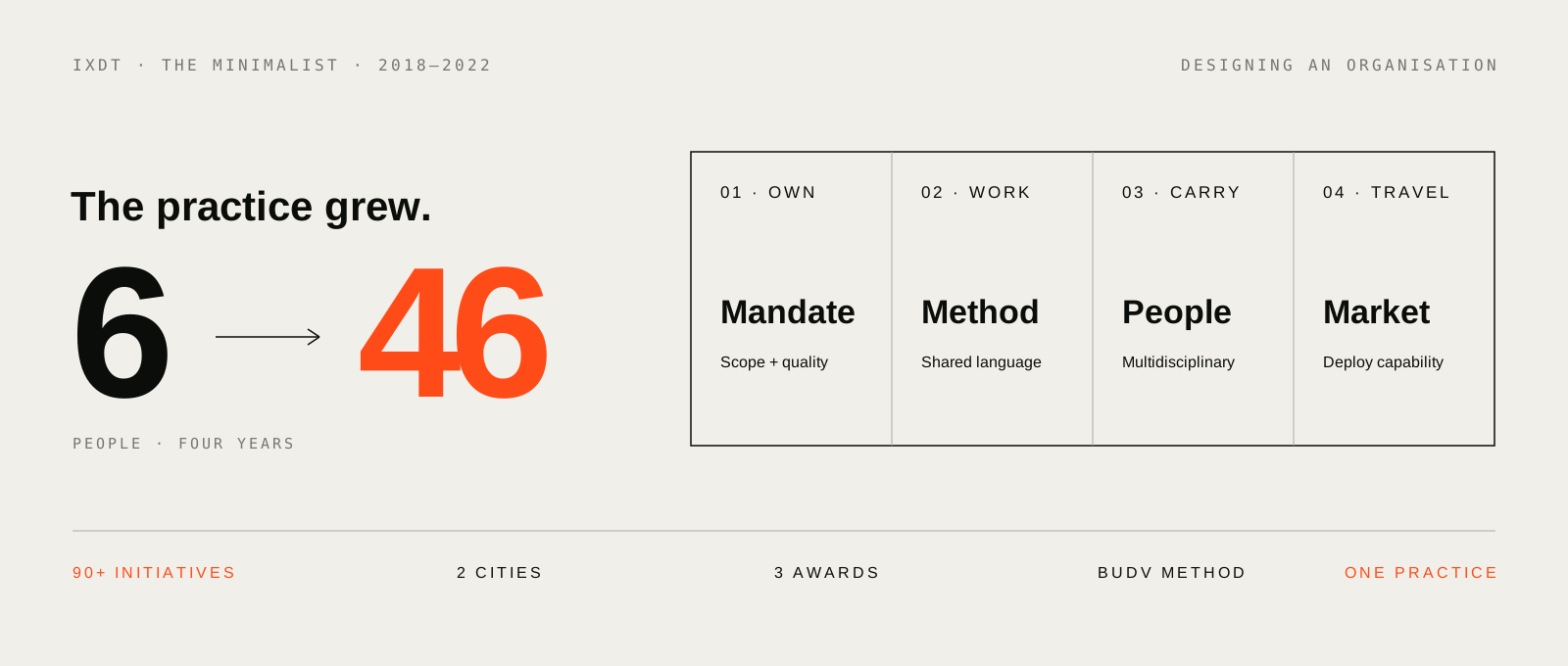
The Minimalist Interaction Design and Technology practice growing from 6 to 46 people View leadership case study ↗
02 / Design leadershipThe Minimalist · 2018–2022

Building design as an organisational capability

The outcome was not one project. It was a 46-person multidisciplinary organisation with a shared methodology, a model for embedding design expertise in client teams, expansion from Mumbai to Bangalore, and the ability to produce quality without routing every decision through one leader.

6 → 46Four years · 90+ initiatives · two cities · three awards
Standard Bank IVR mental model mapping View case study ↗
03 / Human factorsHuman Factors Institute

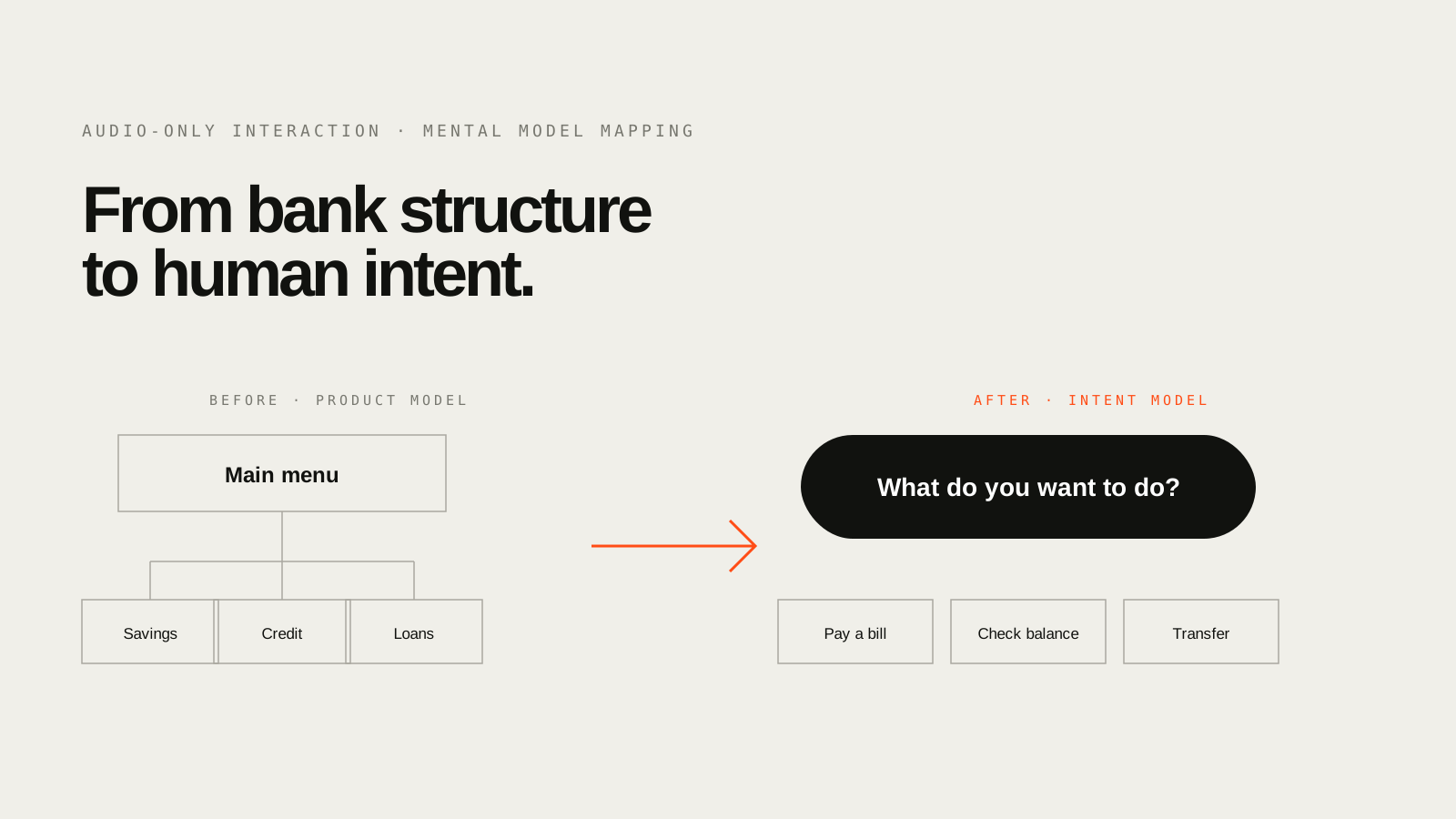
Standard Bank IVR: South Africa

Redesigned an IVR system for semi-literate users losing trust in telephone banking. A proto-agent design problem: audio-only, no visual affordances, no retry tolerance.

Word orderThat changed task completion
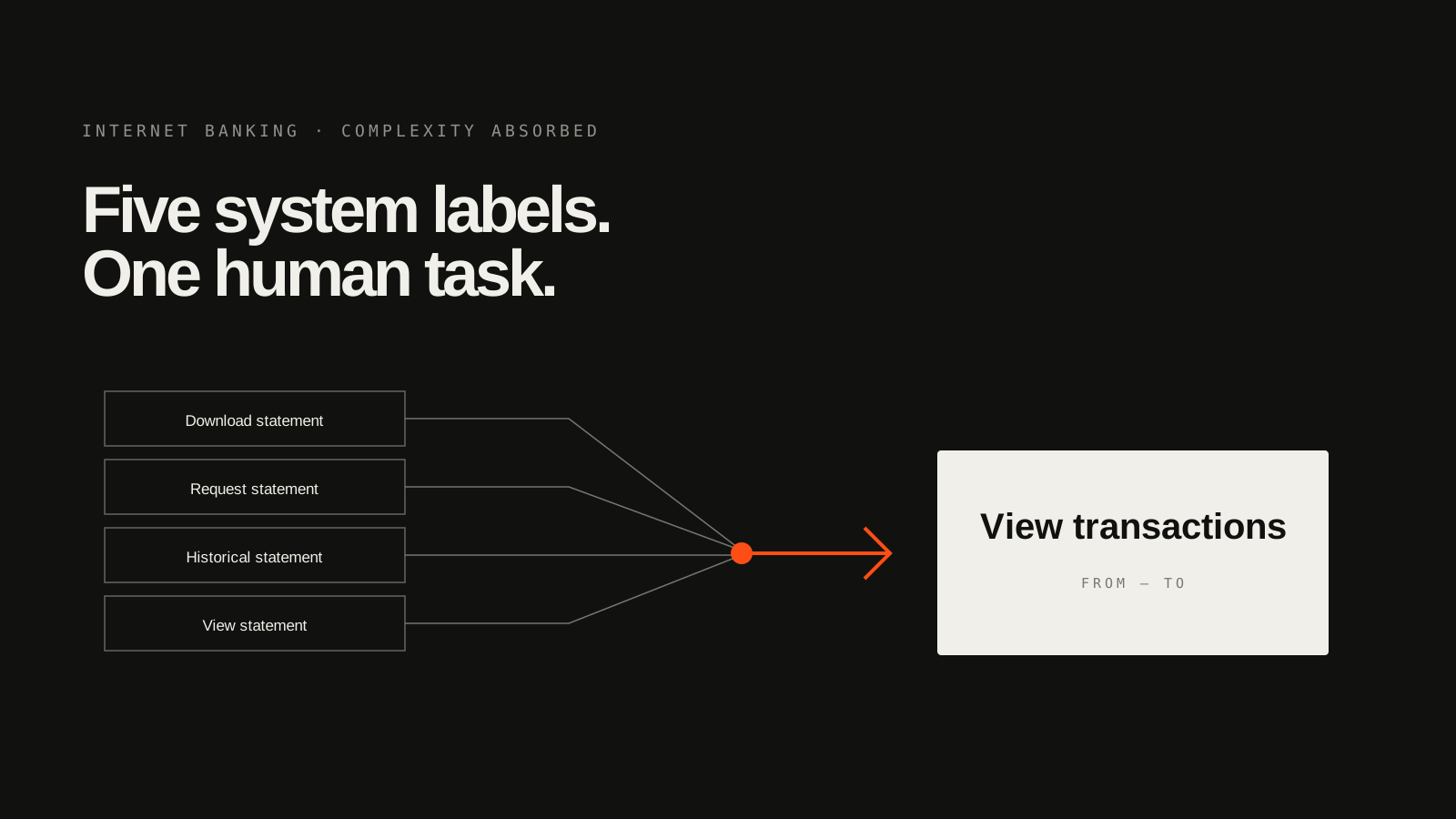
HDFC Internet Banking statement simplification View case study ↗
04 / Human factorsHDFC Bank

HDFC Internet Banking Simplification

Five labels for one task because the data lived across five backend systems. The infrastructure could not change, so the interface absorbed its routing complexity and gave customers one clear interaction.

Five → oneLabels collapsed
Clinical and operational insights dashboards View case study ↗
05 / Enterprise analyticsHealthcare

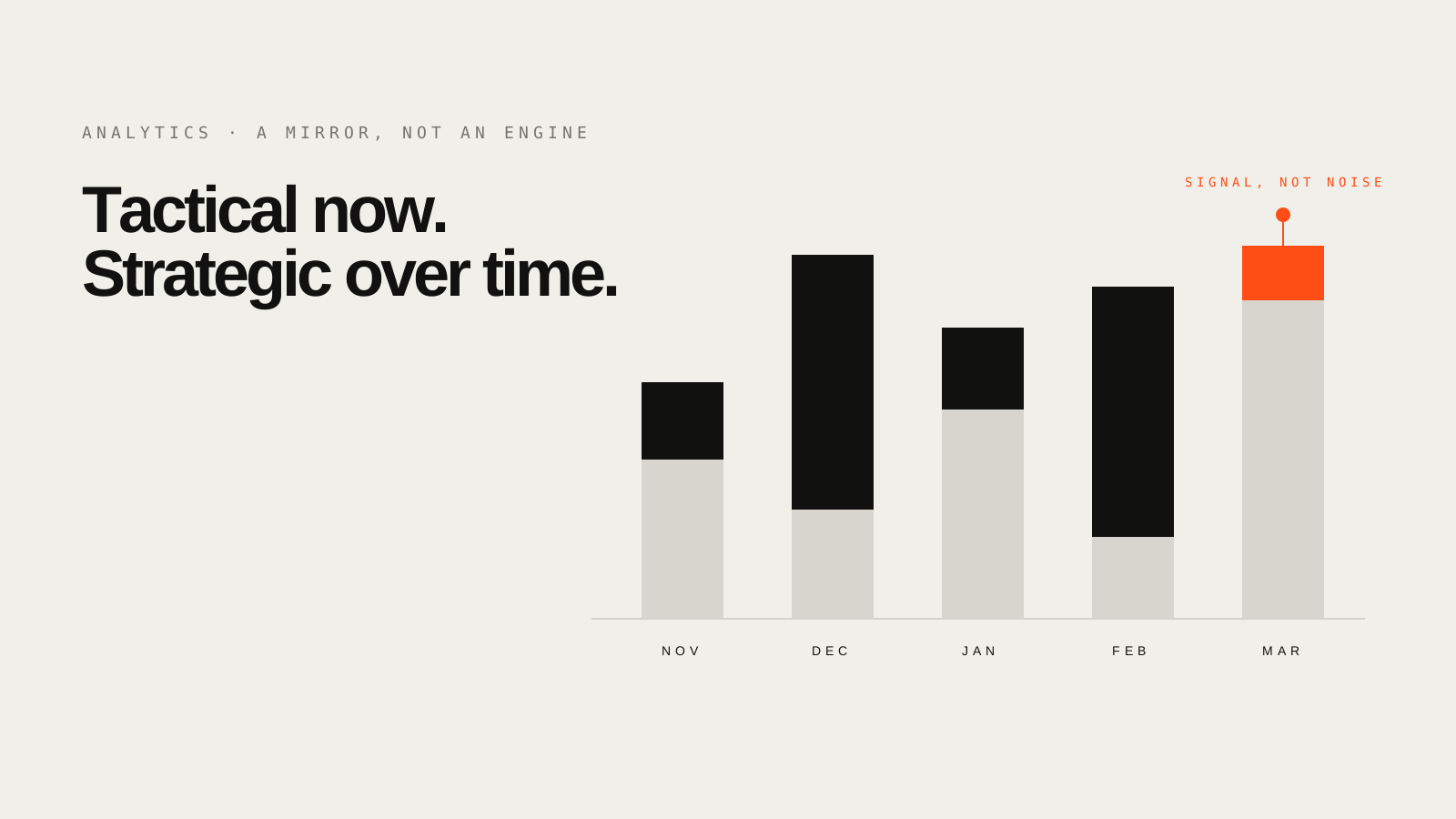
Clinical & Operational Insights

Tactical and strategic dashboards for ICU and Labor & Delivery, built as a mirror rather than an engine. A study in the discipline of designing analytics that show rather than prescribe.

RestraintAs a design position
Mural multi-pane canvas for tele-critical care View case study ↗
06 / Remote ICUVirtual care

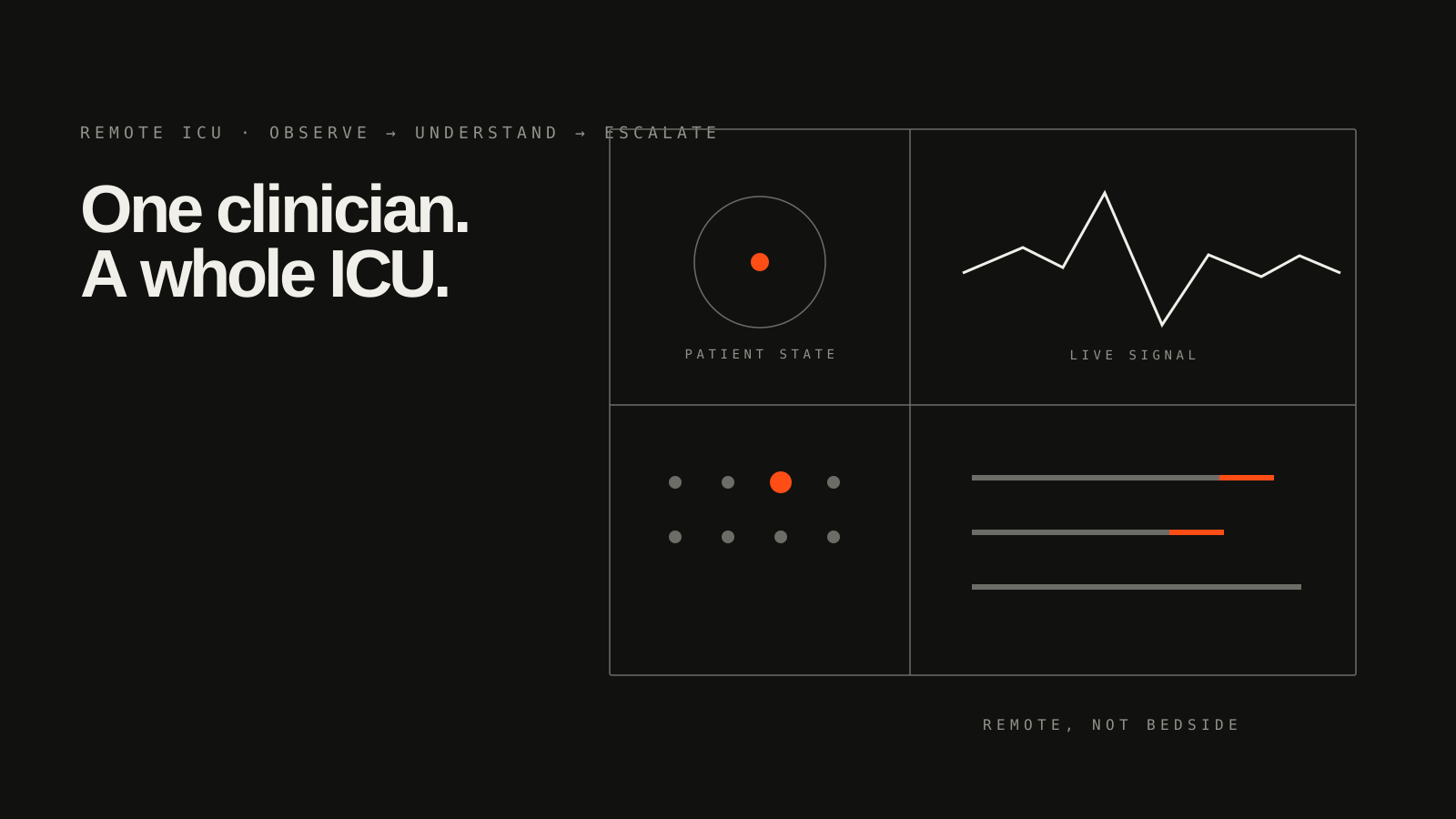
Mural: A Canvas for Tele-Critical Care

A remote-ICU platform where one clinician monitors whole ICUs from a central station. The whole interaction model follows from a single distinction: remote, not bedside.

One distinctionThat governed the entire system

Systems are live

I don’t write theories
about AI. I build
systems and observe.

Live systems running on infrastructure I designed and maintain. Not prototypes on paper.

Self-hosted · Hetzner Cloud · Ollama local models · n8n automation · Supabase · Custom agentic infrastructure
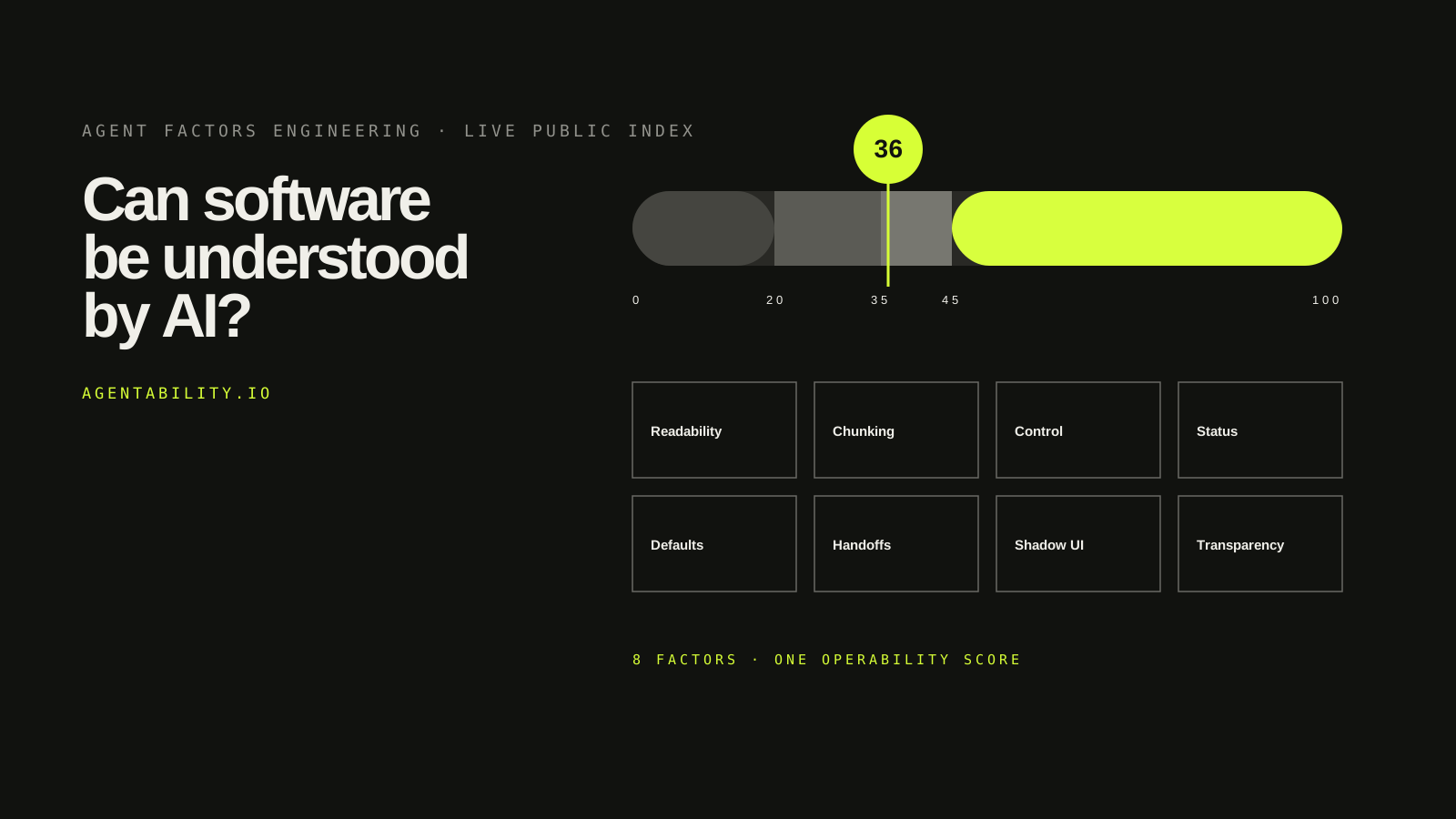
Agentability Index and its eight factors
01

Agentic systems · Live public site

Agentability.io

A framework for measuring whether software is understandable and operable by AI agents. Introduced Agent Factors Engineering, a successor discipline to Human Factors Engineering.
Autonomous content engine flywheel
02

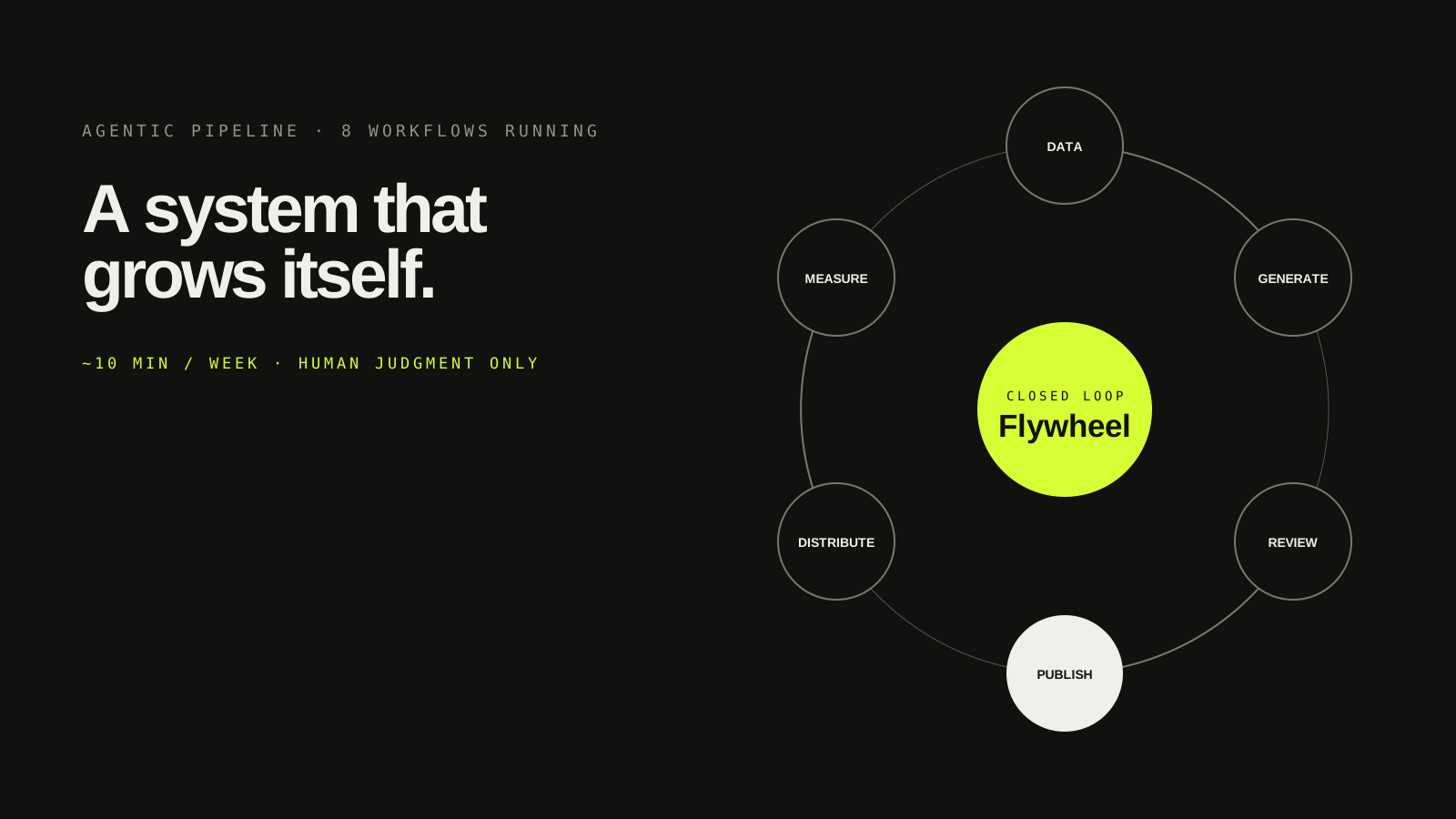
Agentic systems · 8 workflows running

Autonomous Content Engine

A closed-loop system that grows agentability.io on its own: 300 audits become ~100 pages and grounded articles, published credential-free by 8 scheduled workflows. Human input, ~10 minutes a week, only where editorial judgment matters.
Character Arena multi-agent deliberation
03

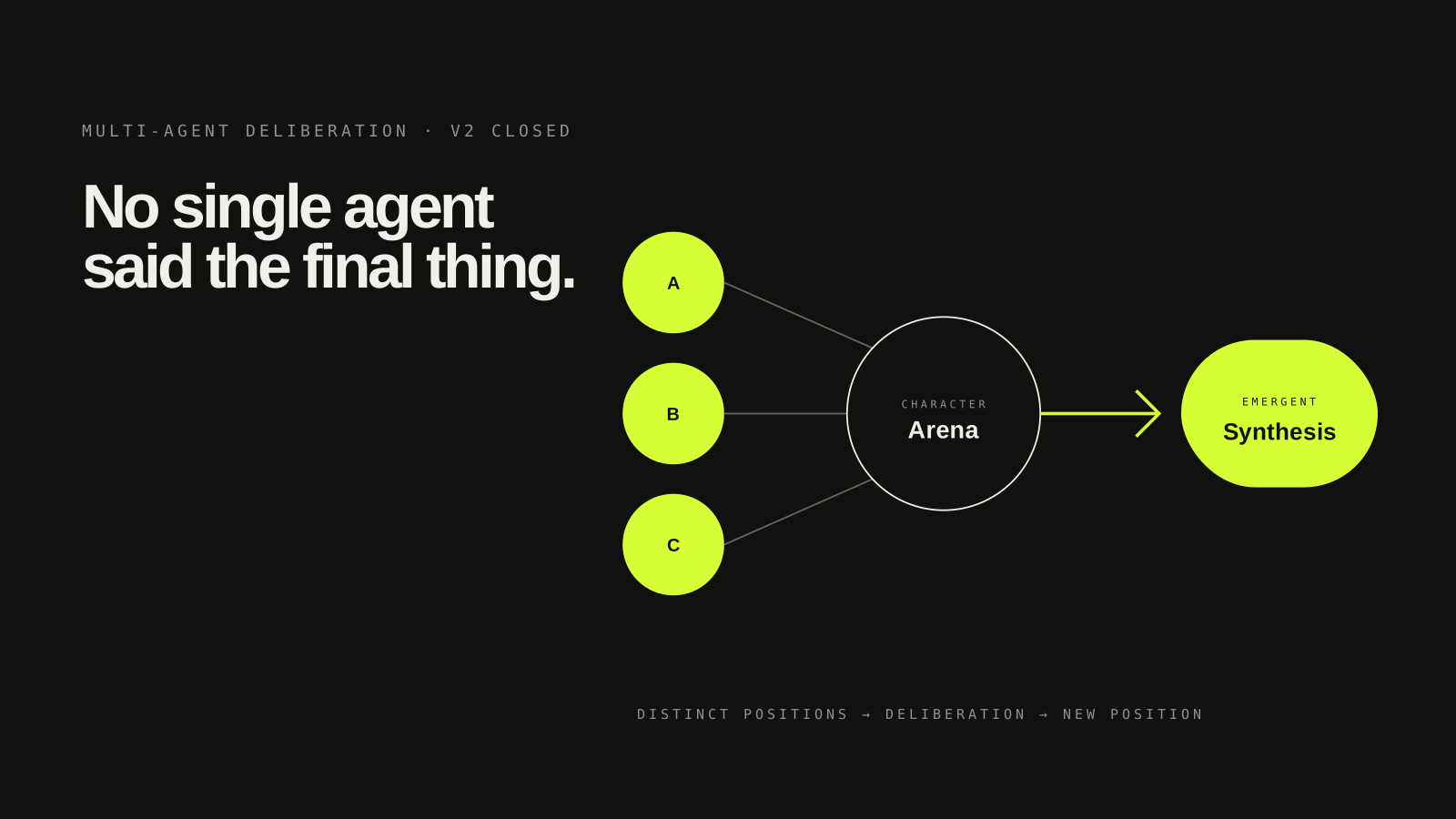
Agentic systems · V2 closed

Character Arena

A multi-agent debate environment where AI characters with distinct personalities deliberate on news topics. V2 closed. Emergent synthesis: positions arose that no individual character had stated.
The Insight Engine multi-agent research visualization
04

Agentic systems · Study complete

The Insight Engine

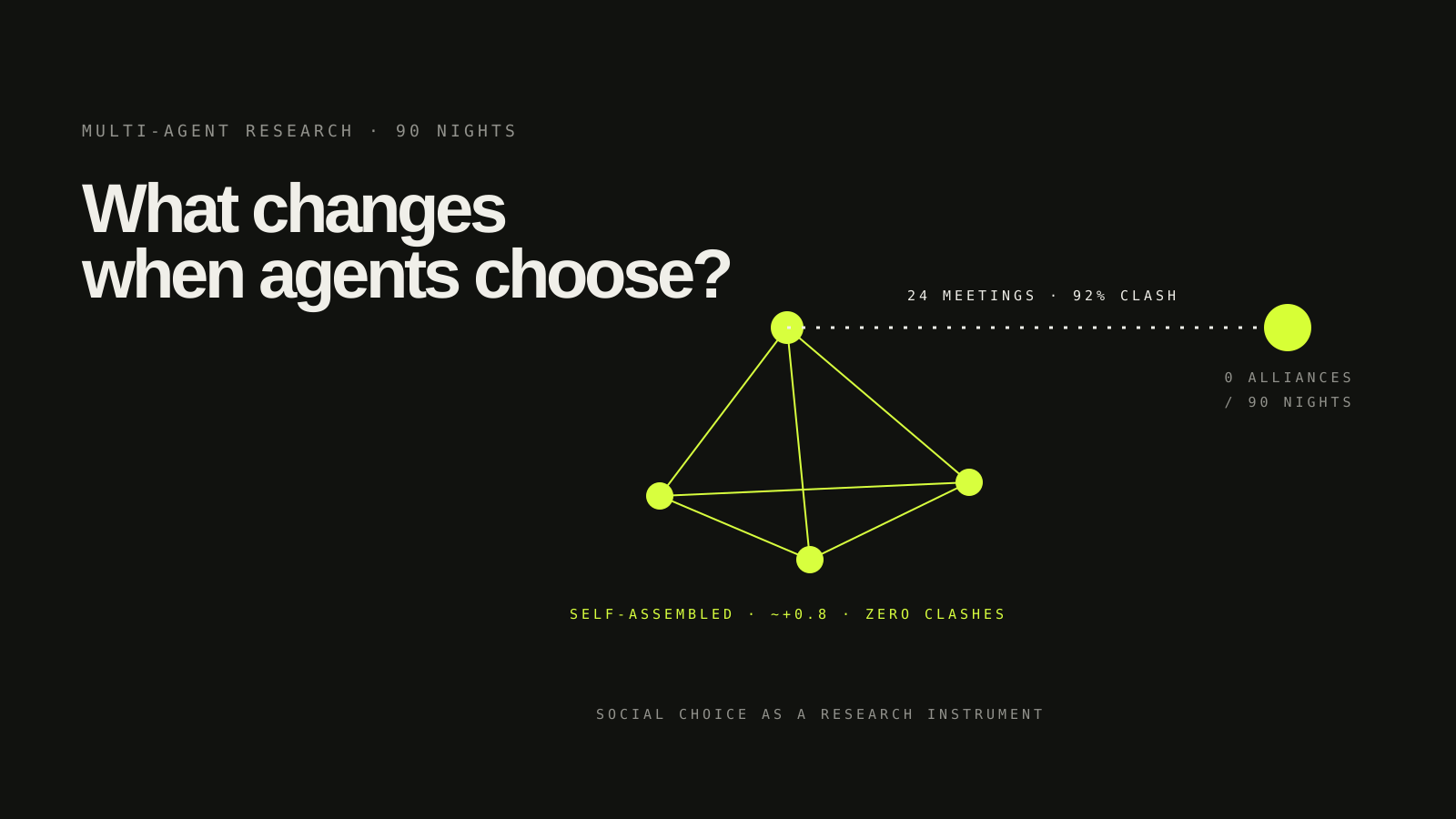
Character Arena rebuilt as a research instrument. 90 nights of independent social choices reconstructed the cast's fiction on their own; moral alignment emerged as the strongest social axis. Read in plain English via Ask the Observatory.
A1OS agent-first UX patterns
05

Agentic systems · Frozen

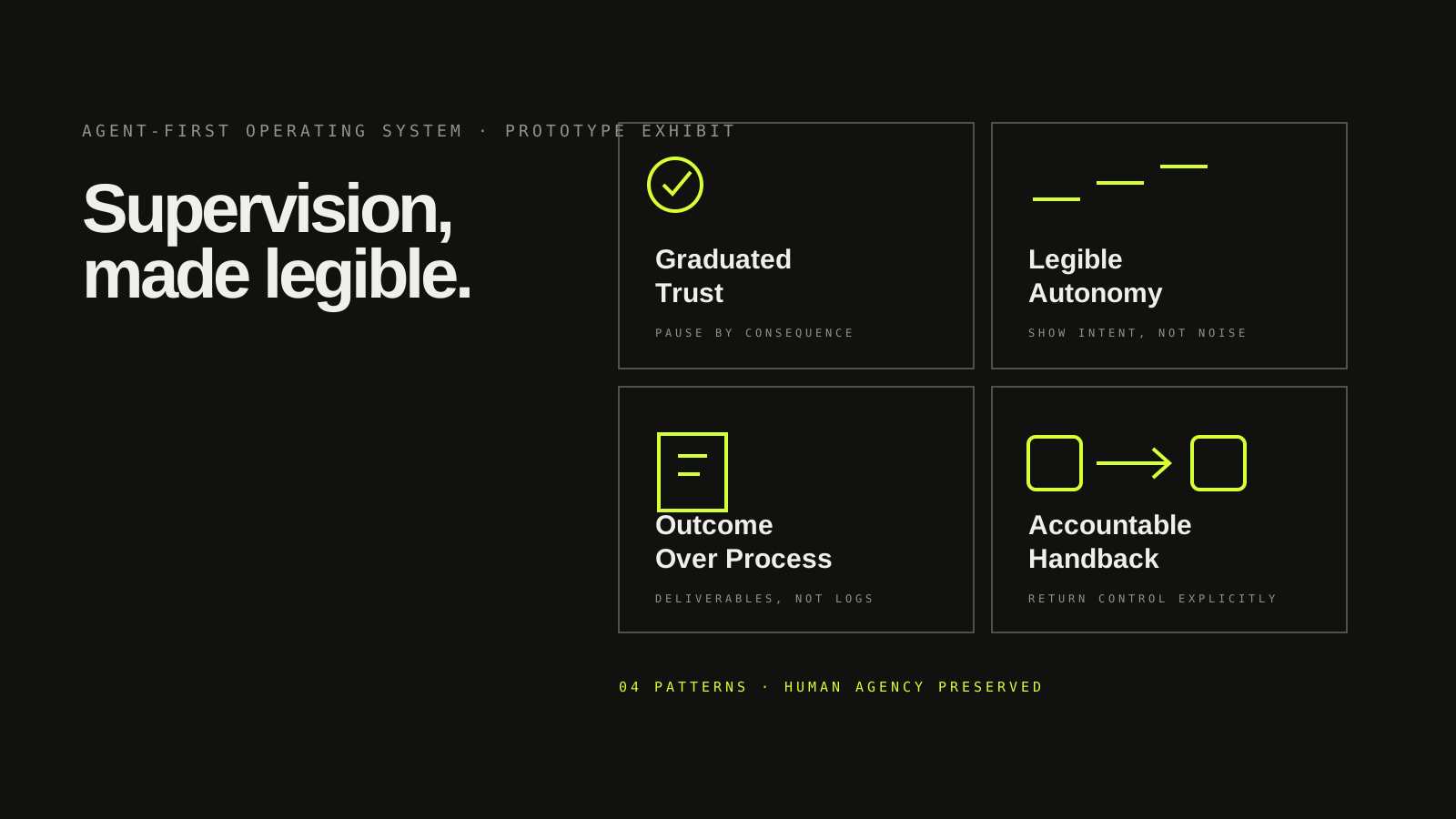
A1OS

An agent-first operating system prototype. Built to make four human-AI supervision patterns concrete and demonstrable: Graduated Trust, Legible Autonomy, Outcome Over Process, Accountable Handback.
icuboid Local AI Studio workspace
06

AI infrastructure · Active

icuboid Local AI Studio

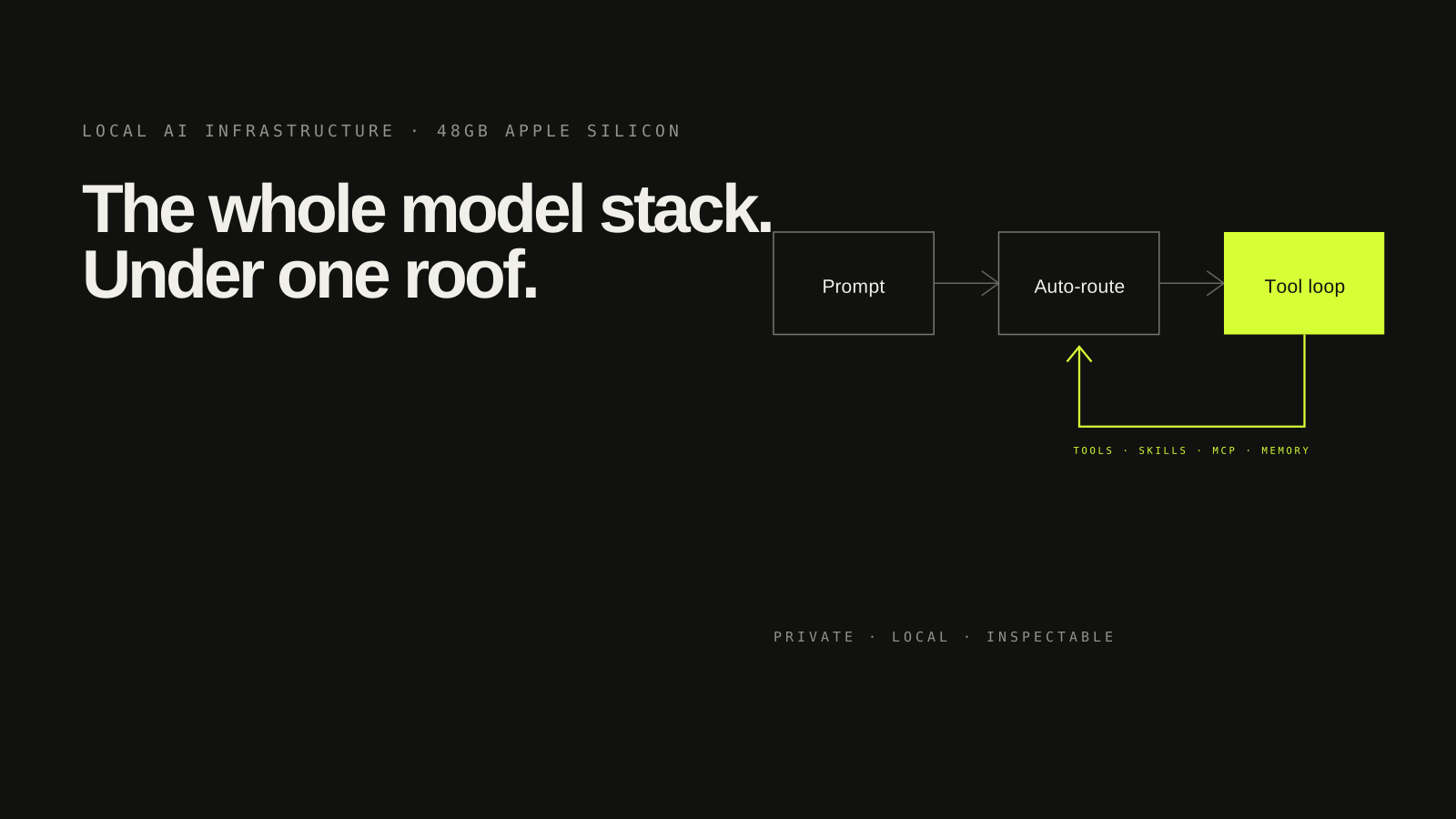
A local AI workspace and laboratory on a 48GB Apple Silicon Mac. Manages the full model stack, provides an agentic chat environment with tool loops, skills system, and MCP integration.
Bae ambient wellness companion
07

Human-AI interaction · Live trial

Bae

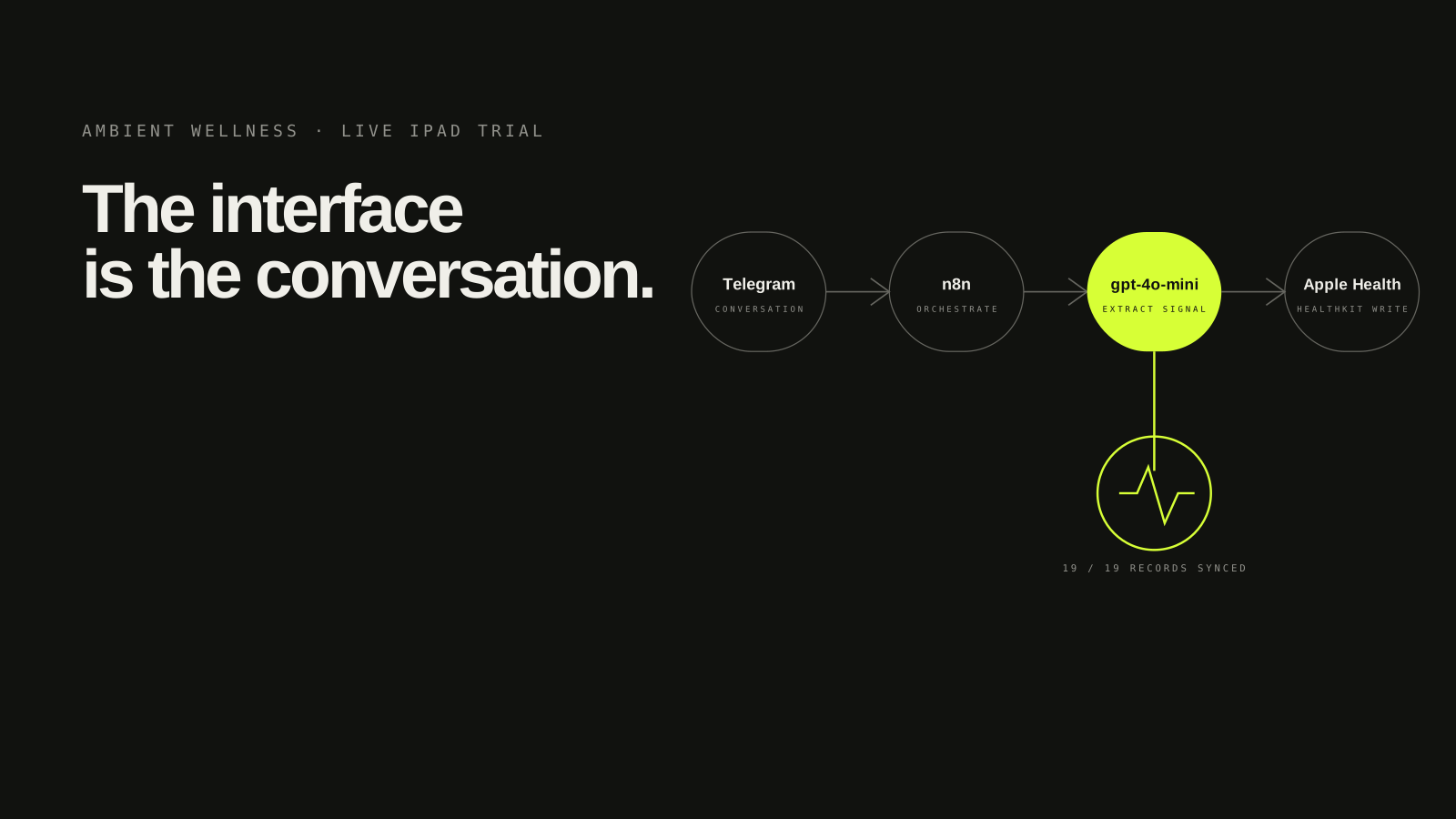
A Telegram companion that silently extracts Apple HealthKit emotional signals from natural conversation. 19/19 records synced to Apple Health. The question: is the signal real?
PRDY persistent reflective dialogue
08

Human-AI interaction · Active

PRDY

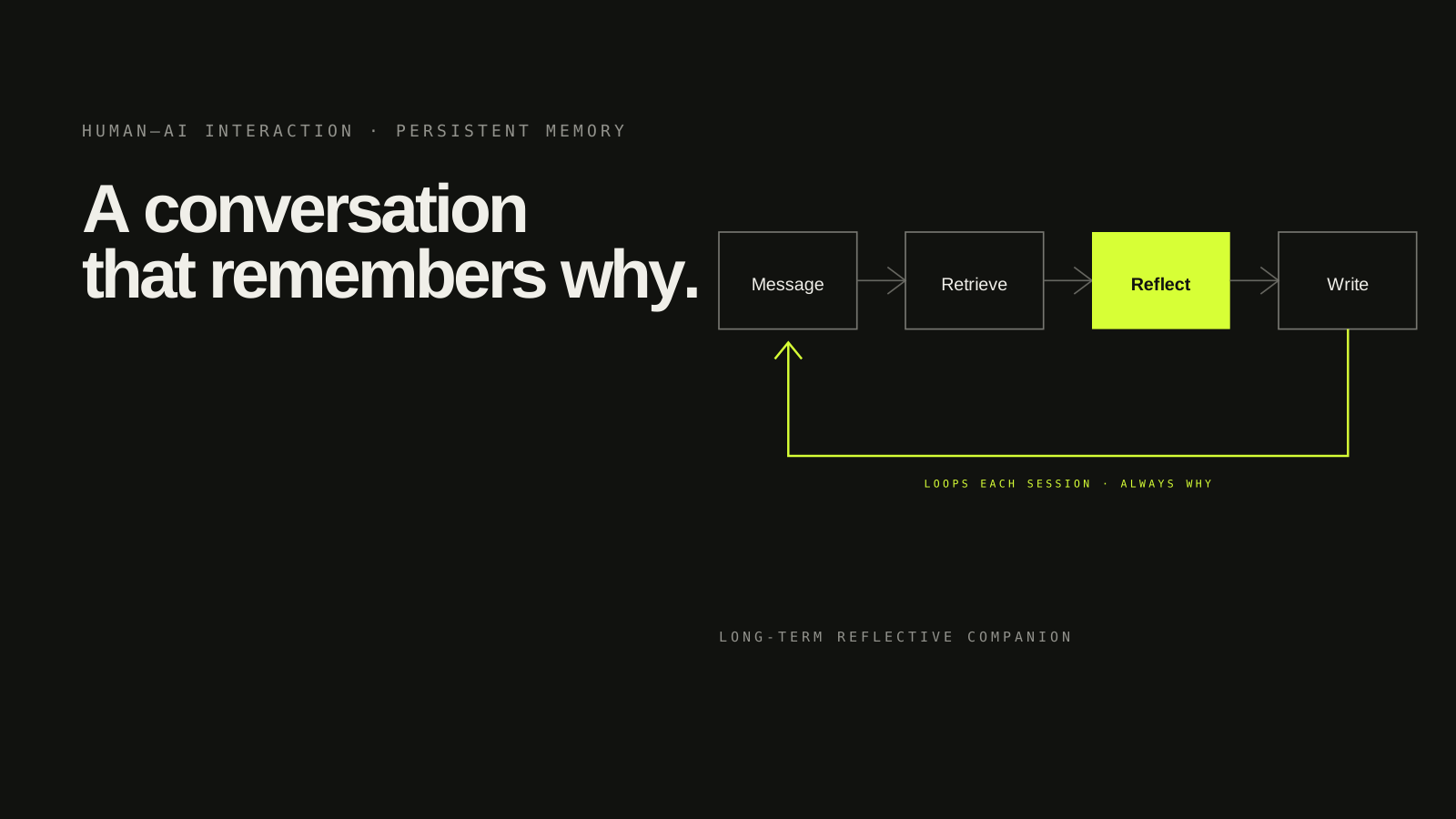
A long-term reflective companion that interviews me about my life and career, building structured persistent memory. One question per response. Always WHY, never WHAT.
Enter the laboratory View all systems

The central thesis

Mutual
legibility.

HumanJudgment
Context
Agency
AgentIntent
Status
Control

A complete theory of human–AI interaction must address both directions: AI legible to humans, and software legible to AI agents.

I’ve spent 15 years opening complex systems to see how they work—and making them make sense to the people inside them.

Systems carry the complexity from their constraints. The question is always: who carries it?

I started at the Human Factors Institute, where I learned that failures attributed to user error are almost always failures of system design. That insight has organised everything since.

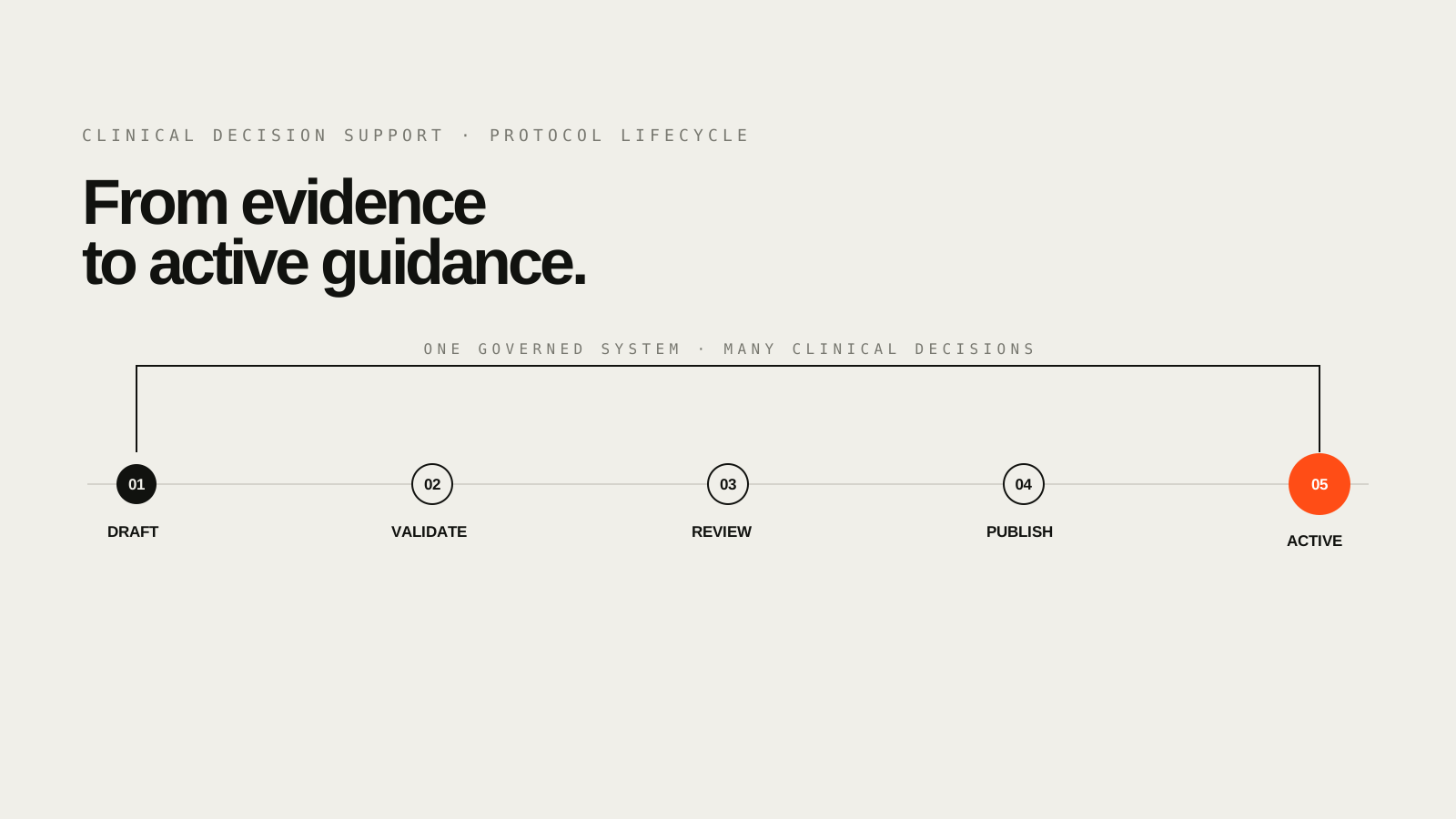
At The Minimalist I built a practice from scratch. At GE HealthCare I work with epistemic complexity: how do you encode clinical knowledge in a way that is trustworthy, updateable, and legible to the people who act on it?

The AI laboratory started from a different kind of question. Not “how do I use these tools?” but “what actually happens when you build systems with these tools and live with them?”

Day job

Senior Architect, Interaction Design · GE HealthCare

Lab

icuboid Studio Session 4 · porting 4 Agent-First patterns

Investigating

Apple Watch correlation for Bae · Agentability score improvement

Read the full story

Agent layer · Ask Rohan

Let’s make it legible.

Ask Rohan

A conversational interface built from Rohan's reflective work with PRDY—real introspective conversations, not a written bio.

Memory is ongoing. Some chapters are richer than others.
Or email the human